
The Best Gluten Free Bread Recipe: Soft and Fluffy Gluten Free Bread at Home
Gluten free bread has become an essential staple for those with gluten intolerance, celiac disease, or anyone choosing a gluten-free lifestyle. However, finding the perfect gluten free bread that is soft, moist, and full of flavor can often feel challenging. Many store-bought options are either too dry, too dense, or lacking that satisfying texture we all love in traditional bread.
The good news is that making gluten free bread at home is easier than you might think. With the right combination of ingredients and techniques, you can bake a loaf that is light, fluffy, and delicious. Homemade gluten free bread not only tastes better but also allows you to control the quality of ingredients, ensuring a healthier and fresher result.
One of the secrets to perfect gluten free bread is using a blend of gluten-free flours along with binding agents like eggs or xanthan gum. These components help replicate the elasticity and structure that gluten typically provides. When done correctly, the result is a loaf that slices beautifully and works perfectly for sandwiches, toast, or simply enjoying with butter.
In this article, we will guide you through a reliable and easy gluten free bread recipe that delivers excellent results every time. Whether you are new to gluten-free baking or looking to improve your current recipe, this guide will help you achieve bakery-quality bread at home.
Why Homemade Gluten Free Bread Is Better
Gluten free bread made at home offers several advantages over store-bought alternatives.
First, you have complete control over the ingredients, allowing you to avoid preservatives and additives.
Second, homemade bread is fresher and often has a better texture and flavor.
Third, you can customize the recipe to suit your dietary needs and preferences.
Fourth, baking at home can be more cost-effective in the long run.
Finally, it allows you to experiment and improve your baking skills.
Gluten Free Bread Recipe: Soft and Fluffy Loaf
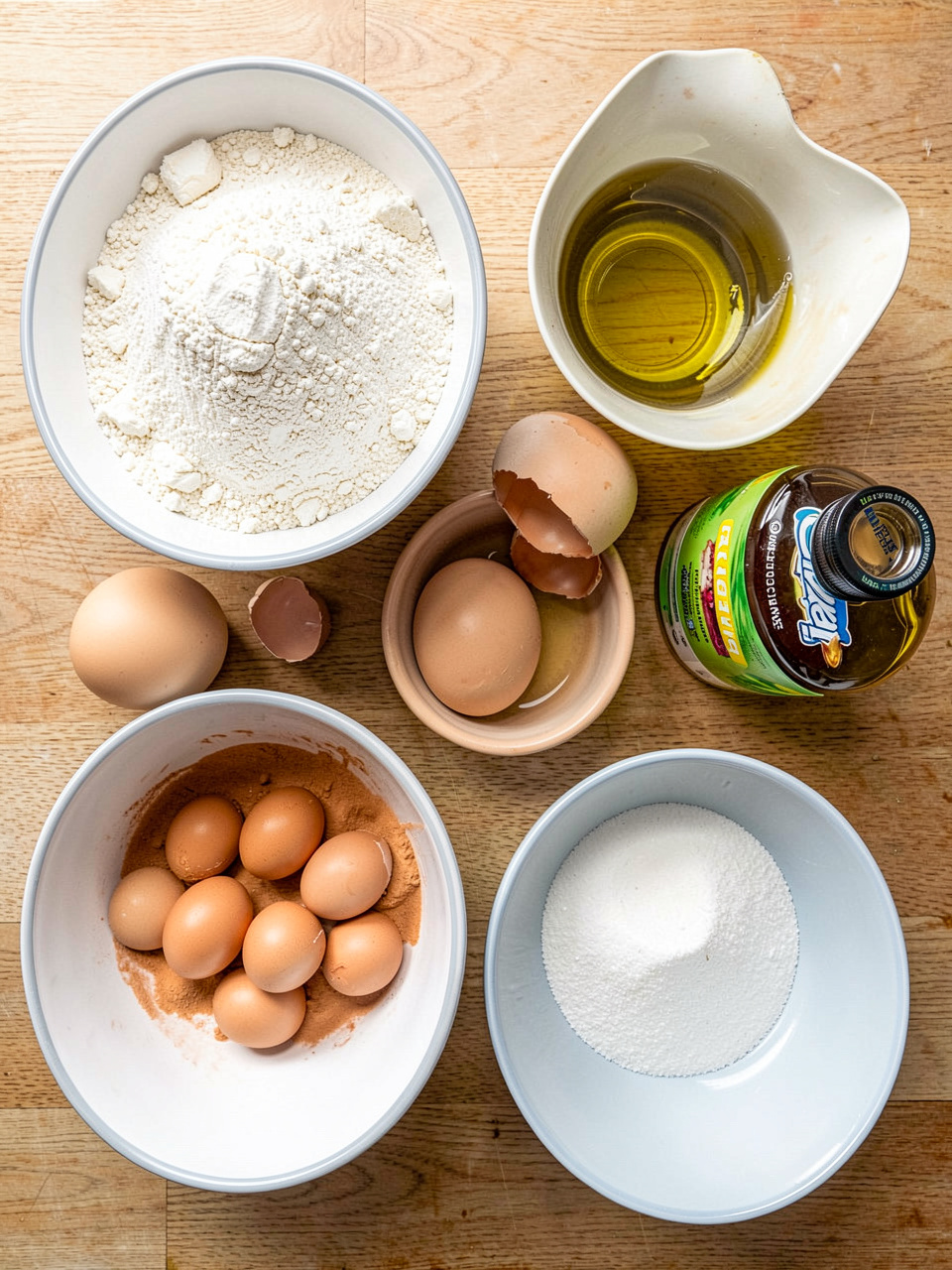
Ingredients
-
2 cups gluten-free all-purpose flour blend
-
1 teaspoon xanthan gum (if not included in flour blend)
-
1 tablespoon sugar or honey
-
1 teaspoon salt
-
1 packet (2 1/4 teaspoons) active dry yeast
-
1 cup warm water (not hot)
-
2 tablespoons olive oil
-
2 eggs, room temperature
-
1 teaspoon apple cider vinegar
Step-by-Step Instructions
Step 1: Activate the Yeast
In a small bowl, combine warm water and sugar. Add the yeast and let it sit for about 5–10 minutes until it becomes foamy.
This step ensures the yeast is active and ready to help the bread rise.
Step 2: Mix Dry Ingredients
In a large mixing bowl, combine the gluten-free flour blend, xanthan gum, and salt.
Mix well to evenly distribute the ingredients.
Step 3: Combine Wet Ingredients
In another bowl, whisk together the eggs, olive oil, and apple cider vinegar.
Add the activated yeast mixture and stir gently.
Step 4: Make the Dough
Gradually add the wet ingredients to the dry ingredients.
Mix until a smooth, thick batter forms. Gluten-free dough is usually softer than traditional dough and does not require kneading.
Step 5: Let the Dough Rise
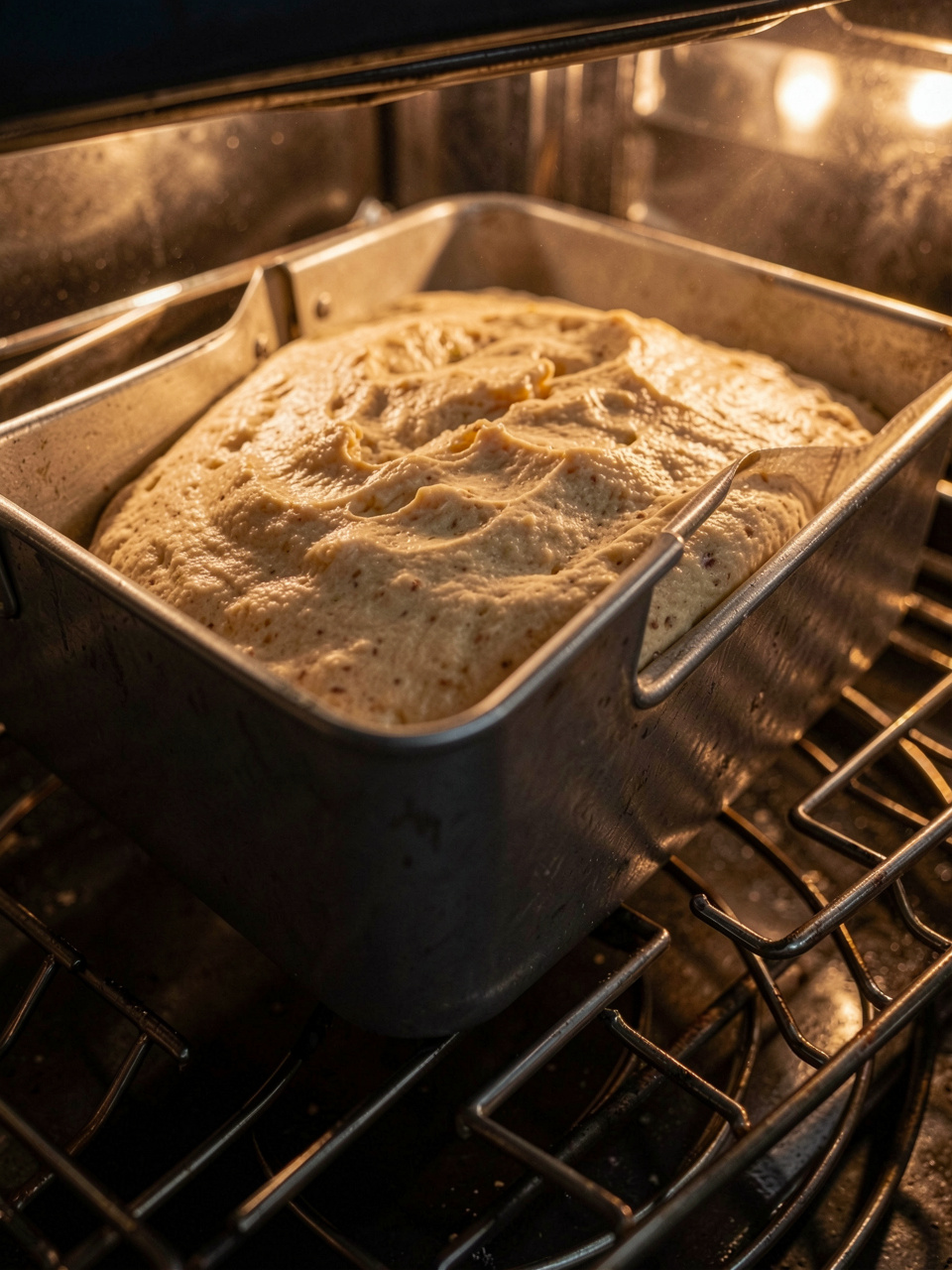
Transfer the dough into a greased loaf pan.
Cover with a clean cloth and let it rise in a warm place for about 30–45 minutes until it doubles in size.
Step 6: Bake the Bread
Preheat your oven to 180°C (350°F).
Bake the bread for 30–35 minutes until the top is golden brown and a toothpick inserted comes out clean.
Step 7: Cool and Slice
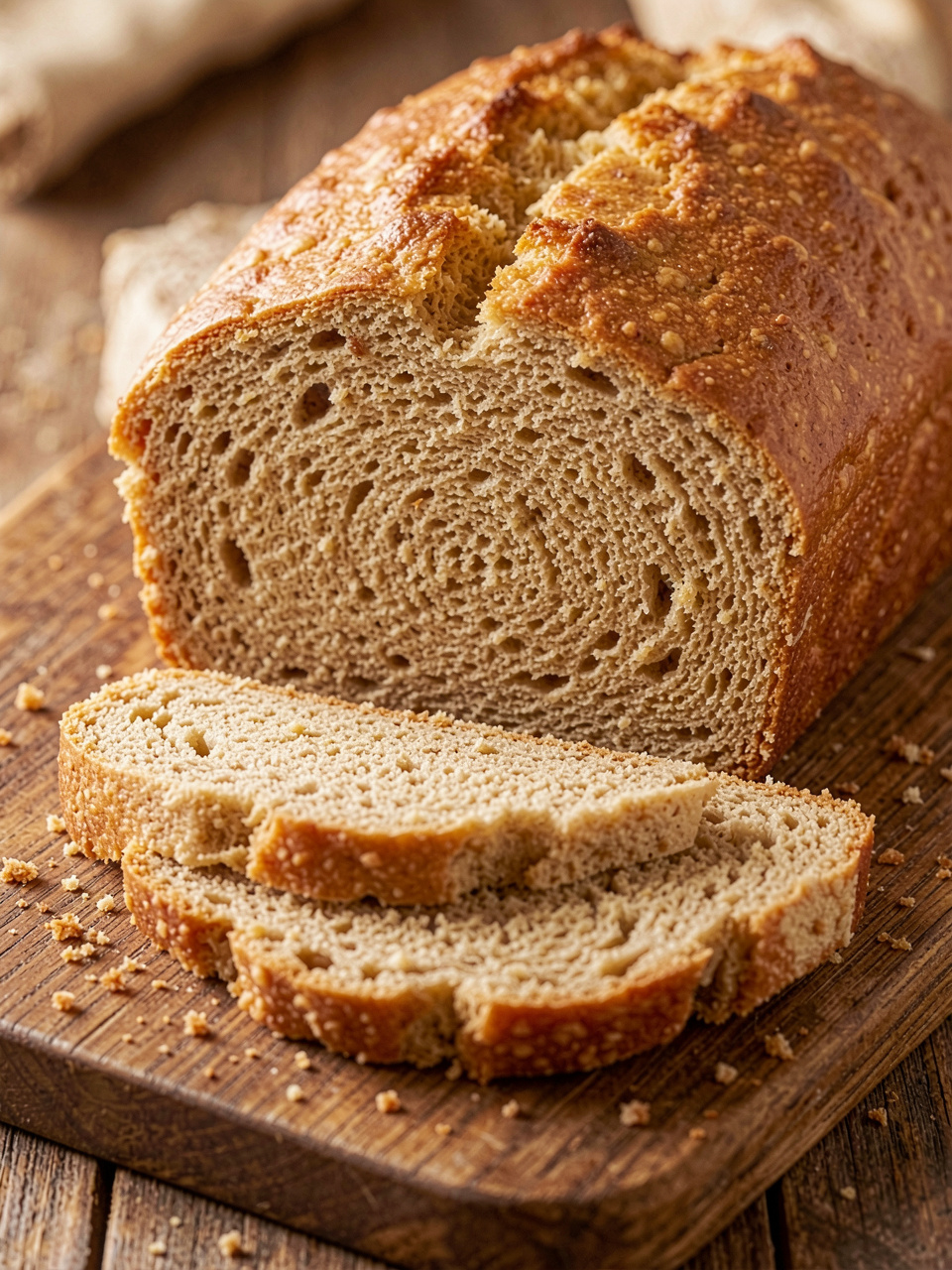
Allow the bread to cool completely before slicing.
This helps the structure set properly and prevents crumbling.
Tips for Perfect Gluten Free Bread
Use a high-quality gluten-free flour blend for best results.
Do not skip xanthan gum as it helps bind the ingredients.
Ensure your yeast is fresh and properly activated.
Avoid overbaking to prevent dryness.
Let the bread cool fully before slicing for better texture.
Benefits of Gluten Free Bread
Gluten free bread is essential for individuals with gluten sensitivity or celiac disease.
It can improve digestion and reduce discomfort for those sensitive to gluten.
Homemade versions are often healthier and free from unnecessary additives.
It allows for a more controlled and balanced diet.
It can be just as delicious and versatile as regular bread when prepared correctly.
Variations of Gluten Free Bread
You can easily customize this recipe.
Add seeds like sunflower or chia for extra texture.
Use herbs like rosemary or oregano for flavor.
Try dairy-free options by adjusting ingredients.
Make it slightly sweet by adding more honey.
Experiment with different gluten-free flour blends.
Conclusion
The best gluten free bread recipe is one that combines simplicity, flavor, and the perfect texture. With the right ingredients and careful preparation, you can create a soft and fluffy loaf that rivals traditional bread.
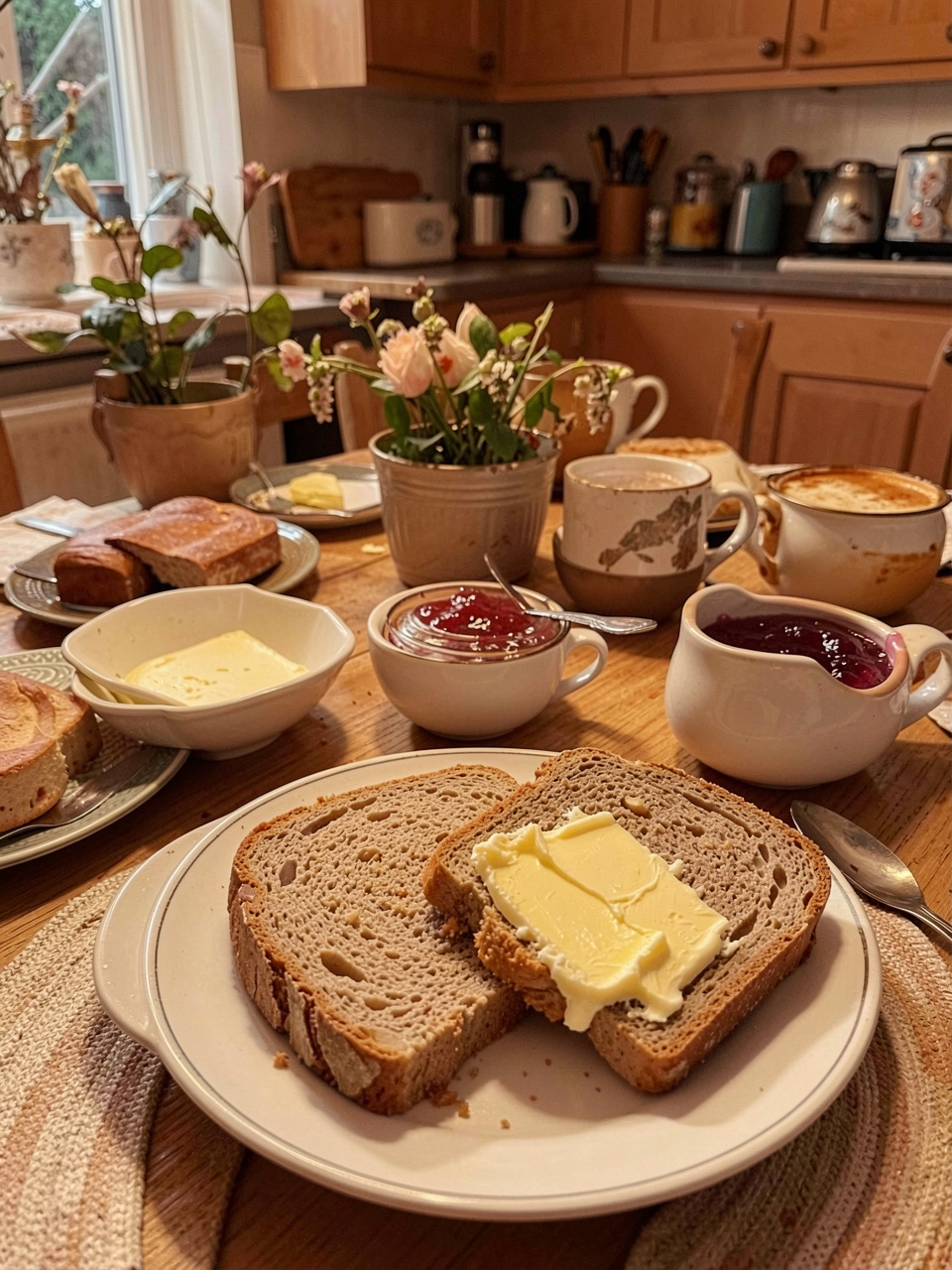
This homemade gluten free bread recipe is easy to follow and delivers consistent results. Whether you use it for sandwiches, toast, or as a side, it’s a versatile addition to your kitchen.
By baking your own gluten free bread, you not only improve the quality of your meals but also gain confidence in gluten-free cooking.