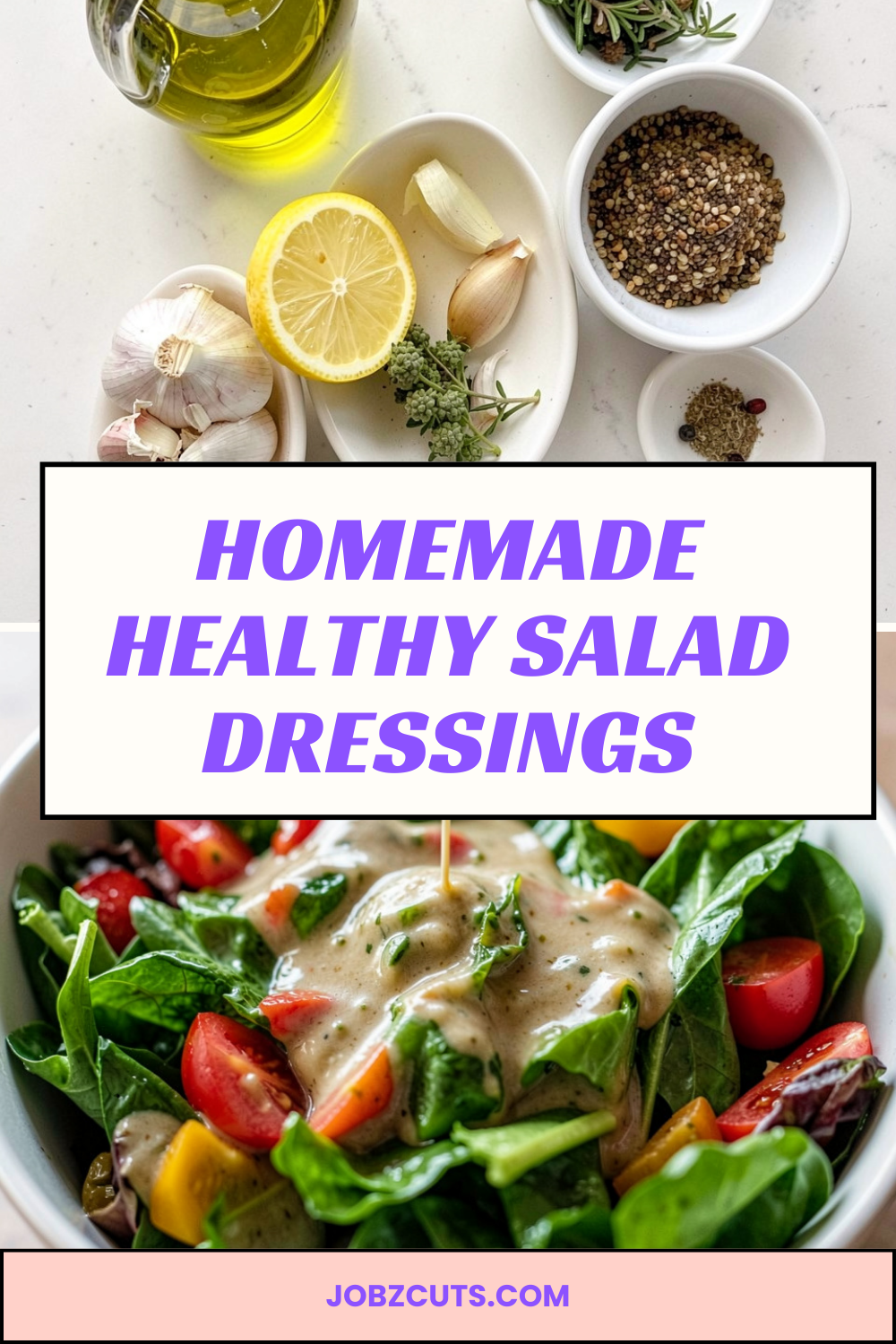
Homemade Healthy Salad Dressings
Homemade healthy salad dressings are one of the simplest yet most impactful ways to elevate your meals while maintaining control over ingredients and nutrition. Store-bought dressings often contain hidden sugars, preservatives, and unhealthy fats that can turn even the freshest salad into a less nutritious option. By making your own dressings at home, you not only enhance flavor but also ensure that every ingredient contributes to your health and well-being.
A well-crafted salad dressing does more than just coat greens. It brings balance, depth, and character to your dish. Whether you prefer something tangy, creamy, or slightly sweet, homemade options allow you to customize flavors according to your taste. Additionally, these dressings are quick to prepare, cost-effective, and can be stored for multiple uses throughout the week. For anyone aiming to eat cleaner and smarter, mastering a few healthy salad dressing recipes is a valuable skill.
Healthy Salad Dressings Recipe
This recipe includes a versatile base dressing along with variations you can easily customize. It is designed to be quick, nutritious, and suitable for a variety of salads.
Prep Time 10 minutes
Cook Time 0 minutes
Servings 4
Ingredients
3 tablespoons extra virgin olive oil
1 tablespoon fresh lemon juice or apple cider vinegar
1 teaspoon Dijon mustard
1 teaspoon honey or maple syrup
1 small garlic clove minced
Salt and black pepper to taste
Optional variations
1 tablespoon Greek yogurt for a creamy texture
1 teaspoon dried herbs such as oregano basil or thyme
1 teaspoon tahini for a nutty flavor
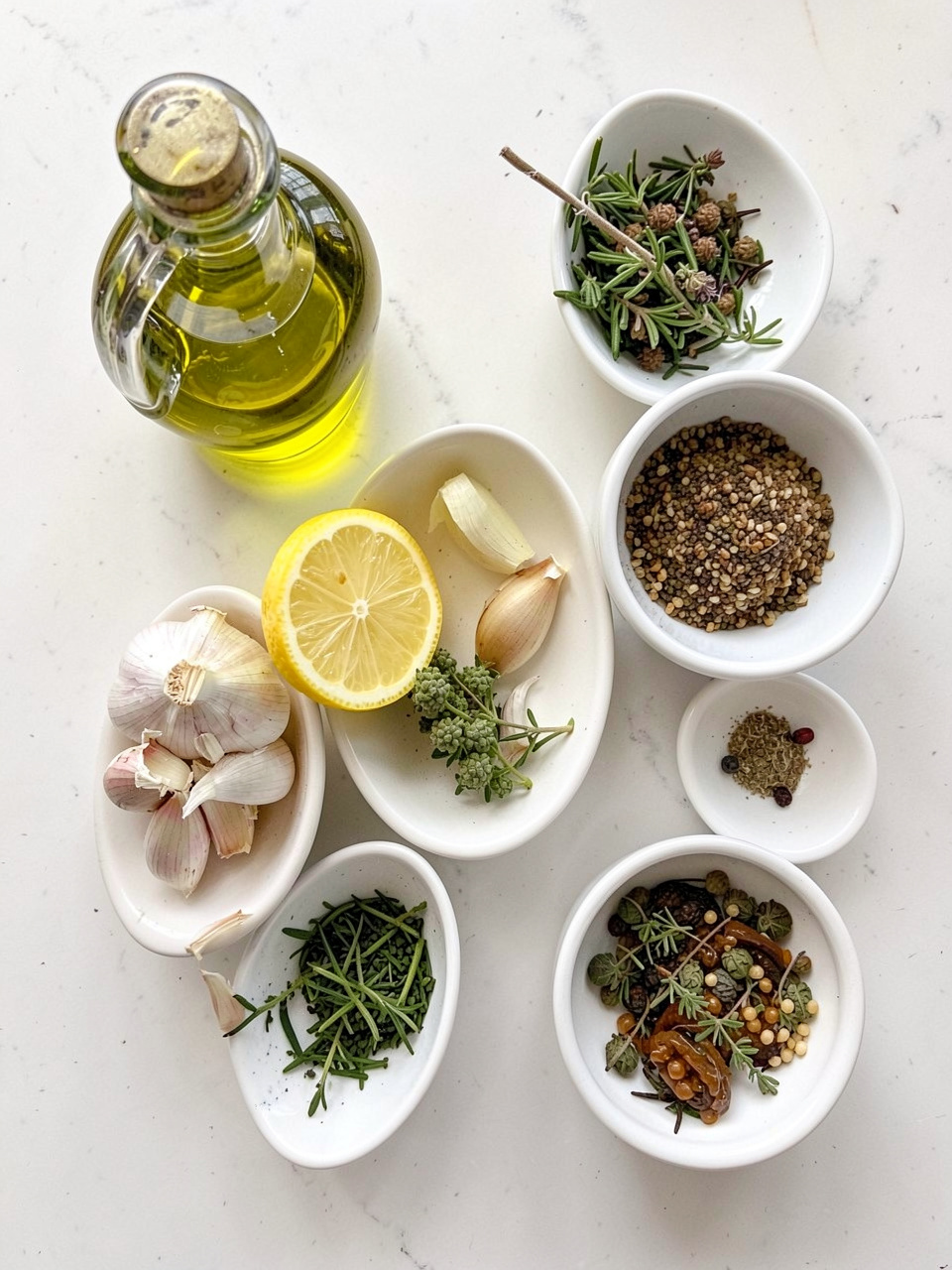
Step 1 Prepare the Ingredients
Start by gathering all your ingredients. Mince the garlic finely to ensure it blends smoothly into the dressing. Measure out the olive oil, lemon juice or vinegar, mustard, and sweetener. Having everything ready will make the process quick and efficient.
Step 2 Combine the Base Ingredients
In a small mixing bowl or jar, add the olive oil, lemon juice or vinegar, Dijon mustard, and honey or maple syrup. These ingredients form the base of the dressing and create a balance between acidity, richness, and slight sweetness.
Step 3 Add Flavor Enhancers
Add the minced garlic, salt, and black pepper to the mixture. If you are using optional ingredients like Greek yogurt, tahini, or dried herbs, include them at this stage. These additions allow you to customize the dressing according to your preference.
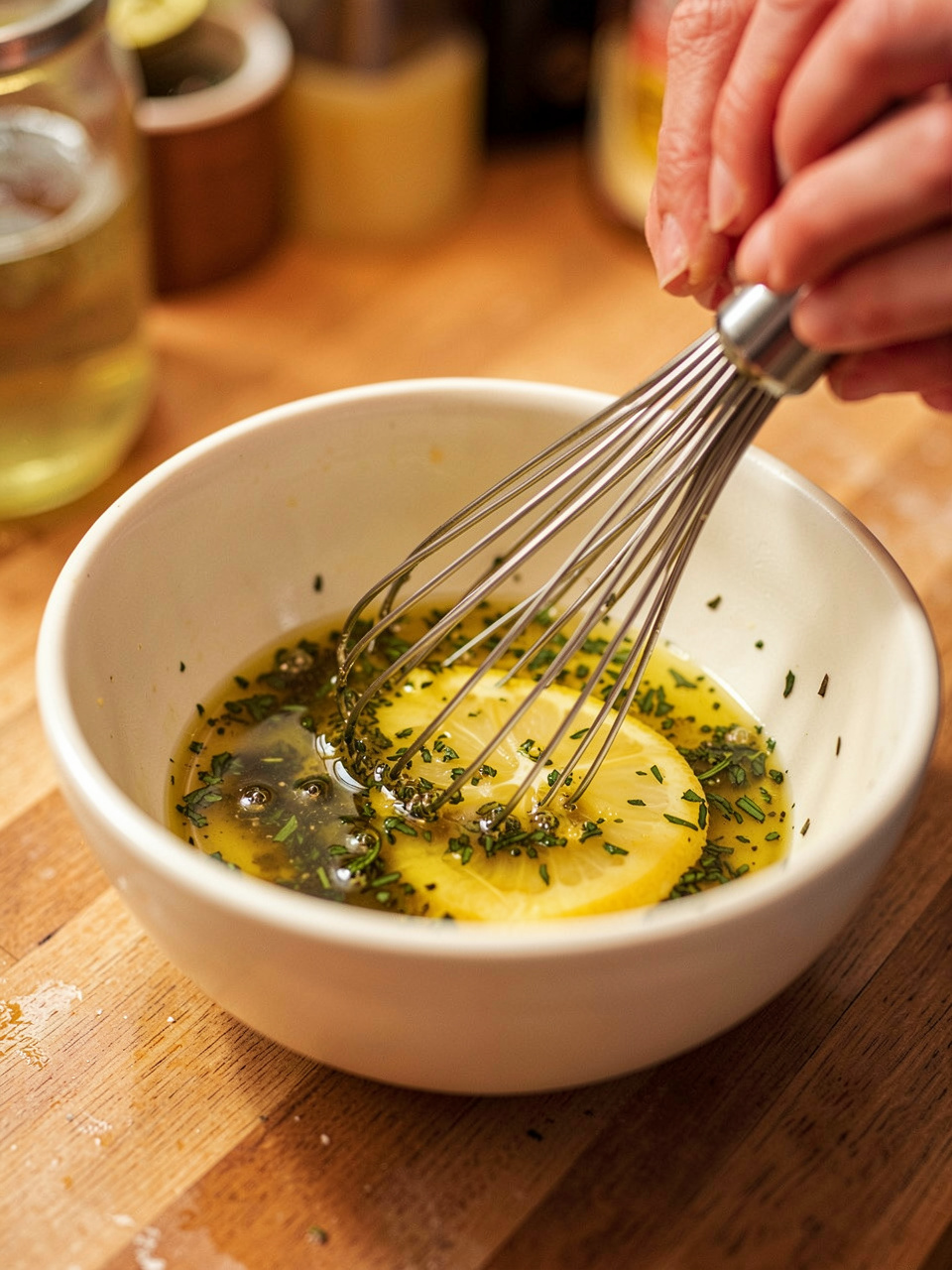
Step 4 Whisk or Shake
Whisk the mixture thoroughly in the bowl until it becomes smooth and well emulsified. Alternatively, if using a jar, secure the lid tightly and shake vigorously. This step ensures that the oil and acidic components combine properly for a consistent texture.
Step 5 Taste and Adjust
Taste the dressing and adjust the seasoning as needed. You can add more lemon juice for extra tang, a bit more honey for sweetness, or additional salt and pepper to enhance the flavor.
Step 6 Serve or Store
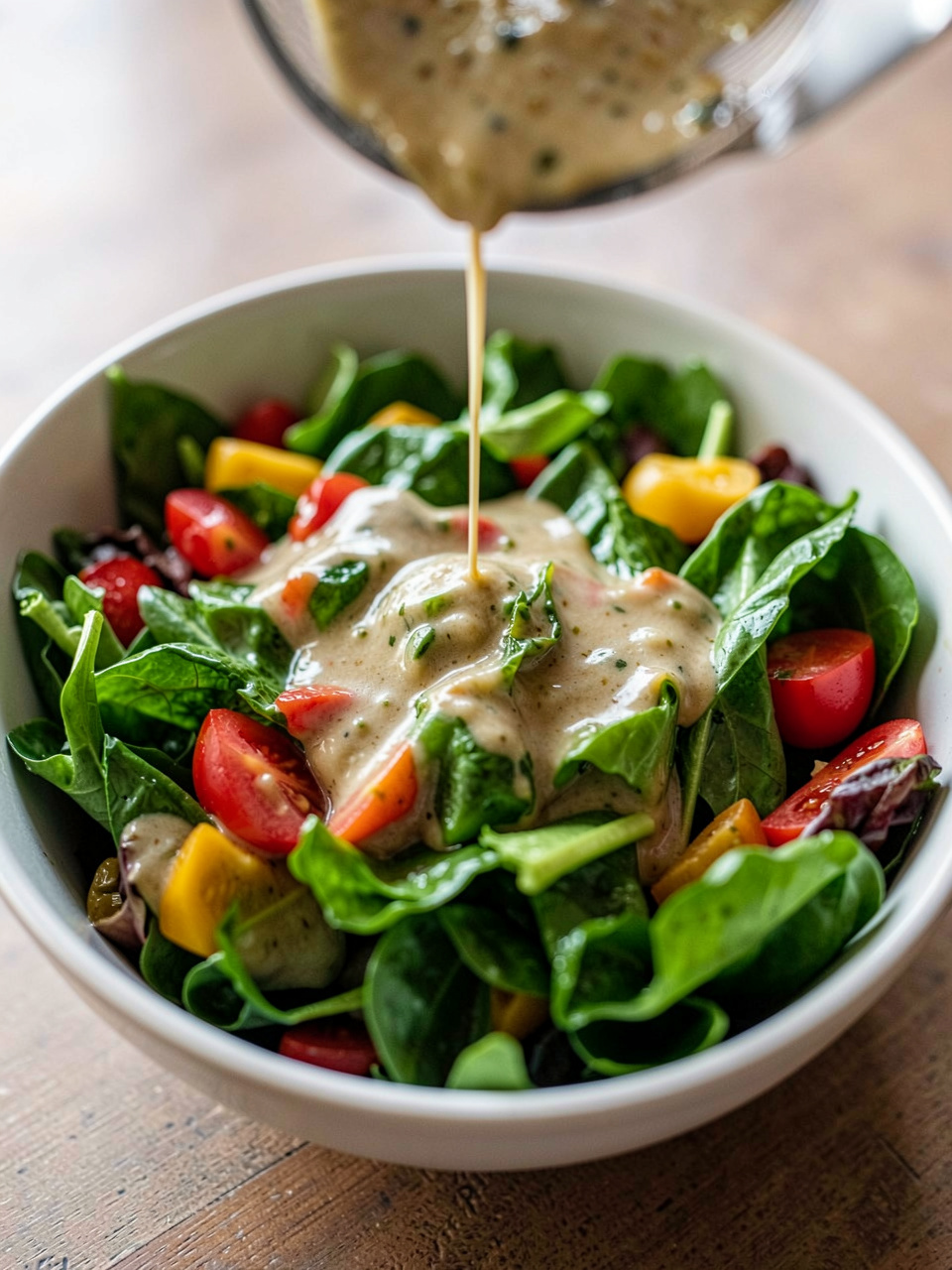
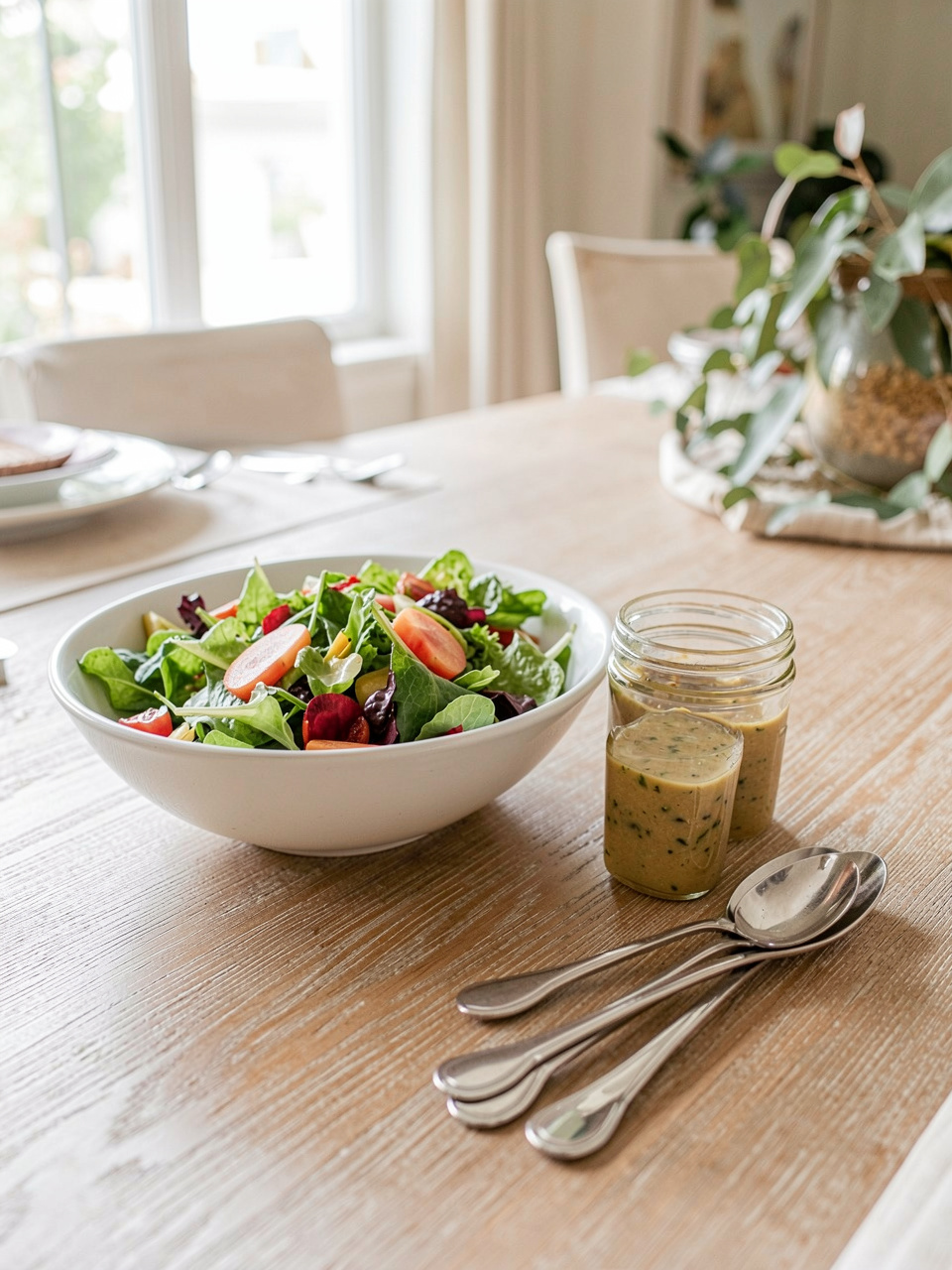
Drizzle the dressing over your favorite salad or store it in an airtight container in the refrigerator. It can typically last up to one week when stored properly. Shake well before each use as natural separation may occur.
Tips for Perfect Homemade Dressings
Creating homemade healthy salad dressings is all about balance and quality. Always use high-quality olive oil as it significantly impacts the flavor. Freshly squeezed lemon juice is preferable to bottled versions for a brighter taste. When experimenting with flavors, start with small amounts and adjust gradually.
For a creamier consistency, ingredients like Greek yogurt or avocado can be added. If you prefer a lighter dressing, increase the amount of citrus or vinegar. Keeping a few basic ingredients in your kitchen allows you to prepare fresh dressings anytime without relying on processed alternatives.
Health Benefits of Homemade Salad Dressings
One of the biggest advantages of homemade dressings is the ability to control what goes into your food. Olive oil provides healthy fats that support heart health, while ingredients like garlic and lemon juice offer antioxidants and immune-boosting properties. Unlike store-bought options, homemade versions are free from artificial additives and excessive sodium.
By incorporating these dressings into your meals, you can make salads more enjoyable and nutritious. They encourage the consumption of fresh vegetables and help create a well-rounded diet that supports overall health.
Conclusion
Homemade healthy salad dressings are a simple yet powerful way to transform everyday meals into something flavorful and nourishing. With just a few basic ingredients and minimal preparation time, you can create dressings that are far superior to store-bought options. This approach not only enhances taste but also supports a healthier lifestyle by eliminating unnecessary additives.
Once you start making your own dressings, it becomes easier to experiment with flavors and tailor recipes to your preferences. Whether you enjoy a light vinaigrette or a creamy blend, homemade options give you complete control and endless possibilities. Incorporating these dressings into your routine is a small change that can lead to significant improvements in both taste and nutrition.